
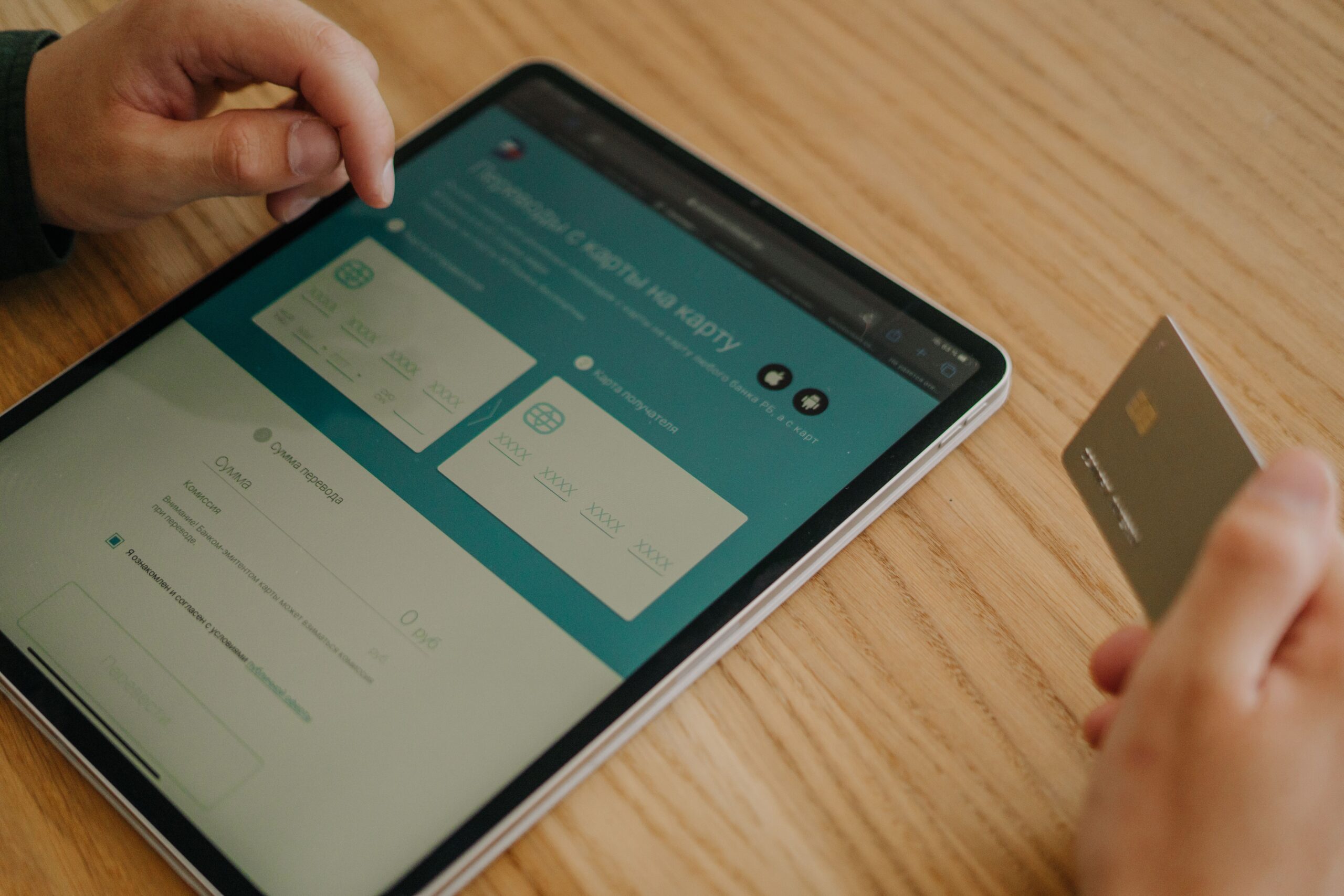
Digital Banking vs. Traditional Banking: A Complete Comparison Guide
The financial services landscape has undergone a seismic shift over the past decade. The emergence of digital-only banks—often called neobanks or challenger banks—has directly challenged the century-old dominance of brick-and-mortar institutions. For consumers and businesses alike, the choice between digital banking and traditional banking is no longer a simple matter of convenience; it involves trade-offs in security, accessibility, cost, and relationship depth. This guide dissects every critical dimension, from account fees and interest rates to fraud protection and regulatory frameworks, providing the granular detail needed to make an informed decision.
1. Accessibility and User Experience
Traditional Banking: Physical Presence, Friction-Filled Processes
Traditional banks operate a network of physical branches, ATMs, and drive-through services. This model offers tangible human interaction, which remains invaluable for complex transactions (e.g., mortgage origination, trust management, or notarization). However, accessibility is constrained by geography and operating hours. Customers must adhere to 9-to-5 schedules, endure wait times, and physically travel to locations. Digital interfaces for traditional banks often lag behind modern standards; legacy core banking systems frequently produce clunky mobile apps, delayed transaction posting, and disjointed user flows. A 2023 J.D. Power study found that customer satisfaction with traditional bank mobile apps was consistently 15–20 points lower than that of leading digital-only banks.
Digital Banking: 24/7 Convenience, Seamless UX
Digital banks operate exclusively through web and mobile platforms. They prioritize user experience (UX), offering instant account opening via biometric verification (often under 5 minutes), real-time push notifications, and intuitive budgeting tools. Features like card freezing, virtual cards, and instant peer-to-peer (P2P) payments are standard. Accessibility is global—accounts can be managed from any device with an internet connection. However, this frictionless model collapses under certain circumstances: depositing large sums of cash, accessing same-day certified checks, or resolving account lockouts often requires phone support or mailing physical documents, introducing delays absent in branch-based solutions.
Key Trade-off: Traditional banking wins for high-touch, documentation-heavy services; digital banking wins for daily management, speed, and global accessibility.
2. Fees, Interest Rates, and Cost Structures
Traditional Banking: Lower Hurdles, Higher Hidden Costs
Traditional banks maintain physical infrastructure—real estate, staff, security, and compliance for each branch. These costs are passed to consumers through a labyrinth of fees: monthly maintenance fees ($10–$25 on average), overdraft fees ($35 per transaction), ATM out-of-network charges ($3–$5), and wire transfer fees ($25–$50). Minimum balance requirements are common; the average interest on savings accounts remains below 0.10% APY for standard accounts, while premium savings products still rarely exceed 4.5% APY. Loan rates are moderately competitive but often higher due to overhead.
Digital Banking: Low Overhead, High Yields
Digital banks operate with minimal physical footprint, vastly lower real estate expenses, and automated processes. These savings are passed to customers via no monthly fees, no minimum balance requirements, and significantly higher interest rates. High-yield savings accounts from digital banks like Ally, SoFi, or Marcus by Goldman Sachs consistently offer 4.0%–5.0% APY (subject to Fed rate changes). Many offer fee-free ATM networks (e.g., Allpoint or MoneyPass) and reimburse out-of-network ATM fees. Loan products (personal loans, credit cards) frequently have lower APRs due to reduced origination costs. However, digital banks often lack overdraft protection (some don’t permit it), and cash deposit options are limited or facilitated through third-party retail networks (e.g., Green Dot), which incur fees.
Key Trade-off: Digital banking offers dramatically lower costs and higher savings yields; traditional banking provides physical cash access with a higher fee burden.
3. Security, Fraud Protection, and Regulatory Oversight
Traditional Banking: Established Protocols, Physical Security
Brick-and-mortar institutions have decades of legacy security infrastructure: vaults, video surveillance, armored transport, and branch-level dual controls. Digital security relies on layered authentication (SMS codes, hardware tokens) and often slower adoption of biometrics. FDIC insurance (up to $250,000 per depositor per institution) applies equally to traditional banks. However, physical branches are vulnerable to robbery, social engineering at teller windows, and check fraud. Traditional banks also face slower fraud detection due to batch-processing systems, with unauthorized transactions sometimes not flagged until the next business day.
Digital Banking: Advanced Encryption, Higher Reliance on User Hygiene
Digital banks invest heavily in cybersecurity: end-to-end encryption (AES-256), tokenization, AI-driven anomaly detection, and multi-factor authentication (MFA) via authenticator apps or biometrics (face ID, fingerprint). Fraud response is often faster because systems analyze transactions in real-time, immediately freezing suspicious activity. However, digital-only banks face unique risks: SIM-swapping attacks (where attackers hijack phone numbers to intercept 2FA codes), phishing at scale, and greater dependency on third-party service providers for core infrastructure. If a user’s device is compromised, account access can be fully lost. While FDIC-insured if they partner with a chartered bank (most do), some fintechs (e.g., Chime) are not chartered banks themselves, instead operating as financial technology companies. This means the user’s funds are held in partner banks, introducing an extra layer of counterparty risk.
Key Trade-off: Traditional banks excel at physical security and established fraud resolution; digital banks offer superior real-time detection but require higher personal cybersecurity discipline.
4. Loan Products, Credit Building, and Financial Services
Traditional Banking: Broad Portfolio, Personalized Underwriting
Traditional banks offer a full spectrum of financial products: mortgages, home equity lines of credit (HELOCs), auto loans, small business loans, commercial real estate financing, and trust services. Loan officers can perform manual underwriting, considering non-traditional factors (e.g., stable rental history or self-employed income) that algorithms may miss. Relationship-based pricing rewards multi-product customers (e.g., mortgage rate discounts for existing checking account holders). However, application processes are cumbersome—often requiring in-person document verification, physical appraisals, and 30–60 day closing cycles. Credit card products are plentiful but often have high APRs and minimal reward structures for non-premium tiers.
Digital Banking: Niche Lending, Algorithmic Speed
Digital banks specialize in unsecured personal loans, credit cards, and auto refinancing. Application processes are fully automated: pre-qualification via soft credit pull in seconds, document upload via smartphone, and funding within 24–48 hours. Some neobanks offer credit-builder products (e.g., secured credit cards or “credit-builder loans”) that report to all three major bureaus (Experian, Equifax, TransUnion), helping users with thin credit files. Loan terms are transparent, with fixed rates and no prepayment penalties. However, digital banks often lack complex lending products. Mortgage offerings are rare; when available, they are typically limited to refinancing or jumbo loans with strict criteria (e.g., Better.com). Small business loans are predominantly term loans or lines of credit, not SBA 7(a) loans or equipment financing.
Key Trade-off: Traditional banking is essential for complex lending (mortgages, business loans); digital banking excels at fast, transparent, unsecured lending and credit building.
5. Customer Support and Resolution
Traditional Banking: In-Person Agents, Hierarchical Escalation
Branch-based support offers immediate human interaction for urgent issues (e.g., lost debit card, fraudulent transaction). However, branch staff often lack authority to solve systemic problems (e.g., incorrect interest accrual); issues escalate to a central operations team, which can take days. Phone support is available during business hours; 24/7 phone support is less common. Average hold times for major traditional banks range from 10 to 30 minutes.
Digital Banking: Chatbots, Email, and Limited Phone
Most digital banks rely on AI-powered chatbots for tier-1 inquiries (account balance, transaction history, password reset). Complex disputes (unauthorized ACH, wire errors) require email or in-app messaging, with response times often extending to 24–48 hours. Phone support, if offered, is frequently limited to specific hours or higher-tier accounts. While some digital banks (e.g., Ally, Capital One 360) have invested heavily in 24/7 phone support, many neobanks (e.g., Chime, Varo) face customer outrage over slow resolution times during account lockouts or fraud events. The lack of a physical branch is a critical vulnerability when a user needs a medallion signature guarantee, instant cashier’s check, or account closure confirmation.
Key Trade-off: Traditional banking provides immediate, in-person resolution for urgent issues; digital banking offers convenience but may cause frustration during complex disputes.
6. International Transactions and Multi-Currency Support
Traditional Banking: Universal but Expensive
All major traditional banks offer international wire transfers, foreign currency exchange, and multi-currency accounts (for high-net-worth clients). However, fees are steep: SWIFT wire fees ($25–$50 per transfer), unfavorable exchange rate spreads (3%–5% over the mid-market rate), and intermediary bank fees ($15–$30). Credit cards carry foreign transaction fees (usually 3%). ATM withdrawals abroad often carry a $5 flat fee plus a 1%–3% currency conversion charge.
Digital Banking: Low-Cost Borderless Solutions
Digital banks like Wise, Revolut, or N26 are built for global finance. They offer fee-free foreign ATM withdrawals (up to a monthly limit, e.g., $200), real mid-market exchange rates with minimal markups (0.35%–0.50%), and instant peer-to-peer cross-border transfers. Multi-currency wallets allow holding and converting 10–50 currencies within the app. However, digital banks often impose daily withdrawal limits ($500–$2,000) to mitigate fraud, and large wire transfers ($10,000+) may trigger manual compliance reviews that delay processing.
Key Trade-off: Digital banking is superior for frequent or low-value international transactions; traditional banking is necessary for large, institution-to-institution transfers or complex multi-currency corporate accounts.
7. Technology, Integration, and Innovation
Traditional Banking: Slow Adoption, API Limitations
Most traditional banks run on legacy mainframe systems (e.g., IBM z/OS, COBOL), making integration with modern financial technology (fintech) ecosystems difficult. Open Banking APIs are still immature in many regions; users often cannot connect accounts to third-party budgeting apps without screen-scraping (which poses security risks). Mobile deposit and bill pay are standard, but features like round-up savings, salary advances, or automated budgeting are rare. Innovation cycles often take 12–18 months due to regulatory red tape and legacy infrastructure.
Digital Banking: API-First, Hyper-Personalization
Digital banks are built on cloud-based, microservices architectures, allowing rapid feature releases (weekly). They natively integrate with fintech apps (YNAB, Mint, Plaid), offering secure API access. Features such as AI-based spending categorization, goal-based savings “envelopes,” automatic retirement contributions, and cryptocurrency trading (e.g., SoFi, Revolut) are standard. Many digital banks use machine learning for credit scoring, offering personalized loan terms based on spending behavior rather than just credit history. The trade-off is that they lack the deeply integrated insurance, investment, and estate planning ecosystems of full-service traditional banks.
Key Trade-off: Digital banking is years ahead in innovation and integration; traditional banking offers a comprehensive, stable, but slow-moving product suite.
8. Geographic and Demographic Considerations
Traditional Banking: Rural and Underserved Access
In areas with limited internet infrastructure or low digital literacy (e.g., rural U.S. counties, older populations), traditional branches remain the only viable option. Cash-based businesses (e.g., farmers, market vendors, small retailers) require daily access to coin and currency deposits. Undocumented immigrants or individuals without a fixed address may struggle with the identity verification requirements of digital banks, whereas traditional banks sometimes offer second-chance checking accounts with in-person document review.
Digital Banking: Urban and Millennial/Gen Z Focus
Digital banking thrives in urban centers with high smartphone penetration and robust mobile networks. Demographically, the sweet spot is 25–45-year-olds who are comfortable with technology, prioritize fee avoidance, and want instant, self-service banking. However, digital banks often exclude unbanked or underbanked populations due to stringent ID verification, credit history requirements, or lack of support for non-standard income (e.g., cash tips, gig economy payments).
Key Trade-off: Traditional banking is essential for rural, cash-intensive, or low-digital-literacy communities; digital banking excels for urban, tech-savvy, lower-fee-seeking consumers.
9. Regulatory and Deposit Insurance Nuances
Traditional Banking: Direct Regulation, Higher Stability
Traditional banks are chartered (national or state) and directly regulated by agencies like the OCC (federal) or state banking departments, with supervision from the Federal Reserve and FDIC. This multi-layered oversight imposes rigorous capital adequacy requirements, liquidity ratios, and stress testing. Failures are rare; when they occur (e.g., Silicon Valley Bank 2023), the FDIC intervenes swiftly, often protecting depositors beyond the $250,000 limit.
Digital Banking: Indirect Oversight, Fintech Risk
Many digital banks are not chartered banks; they are fintech companies that partner with chartered banks (e.g., Chime partners with Bancorp). While deposits are still FDIC-insured through the partner bank, the regulatory oversight is indirect. If the fintech platform fails, there is no guarantee the partner bank will maintain seamless access. Additionally, digital banks often hold funds in “sweep accounts” across multiple institutions to maximize insurance limits, which can complicate withdrawal access. Regulatory frameworks like the E.U.’s PSD2 or the U.S.’s Section 1033 (Open Banking rule proposed by the CFPB) are still evolving, leaving digital banks in a grey area regarding data portability and liability.
Key Trade-off: Traditional banking offers direct, proven regulatory safety nets; digital banking relies on more fragile, multi-party structures and evolving regulations.